
Ayatul Kursi, Throne Verse — Pdf, Read, Listen & Share
Arabic Text
Copy TextTransliteration
English Translation
Ayatul Kursi Images
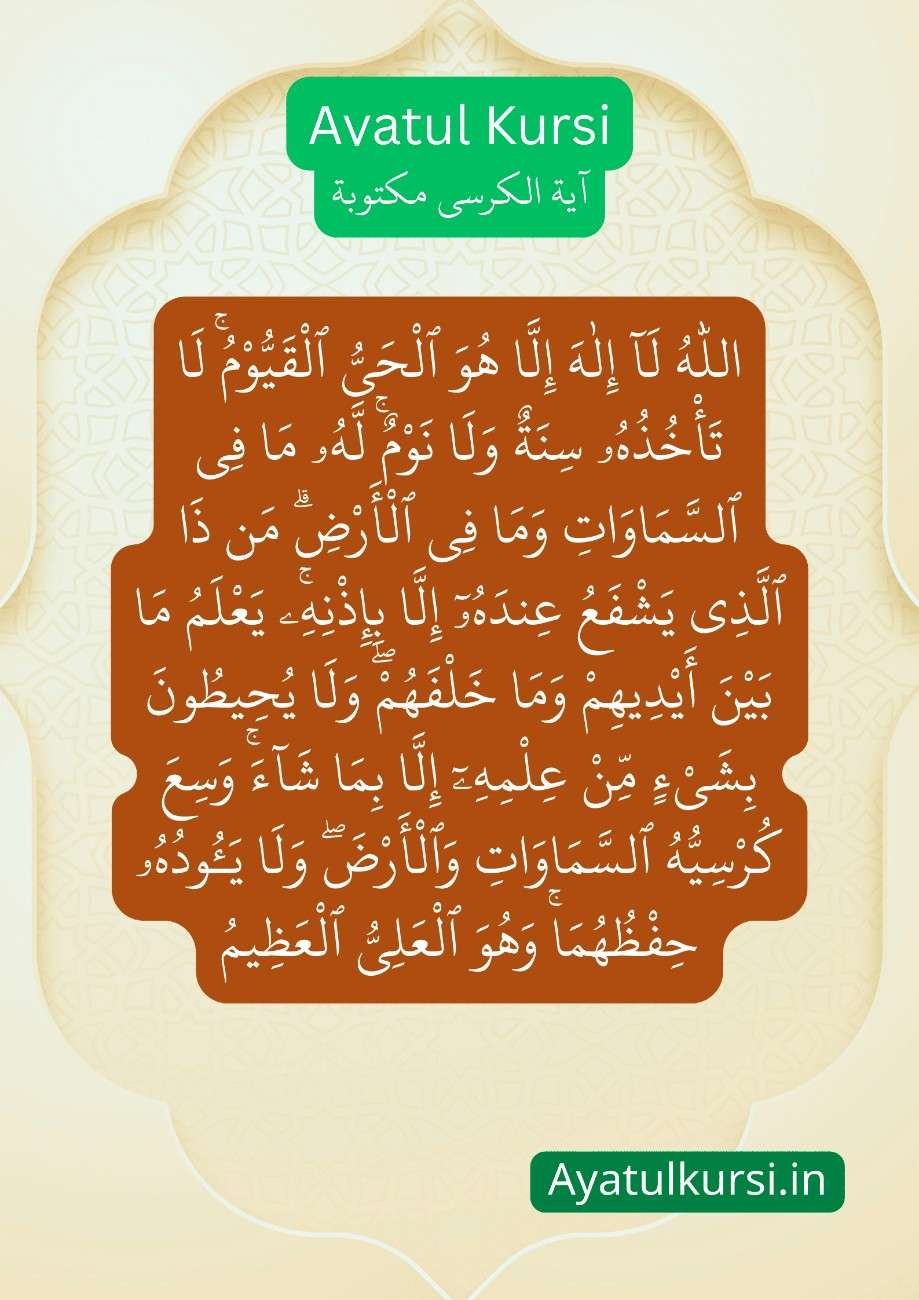
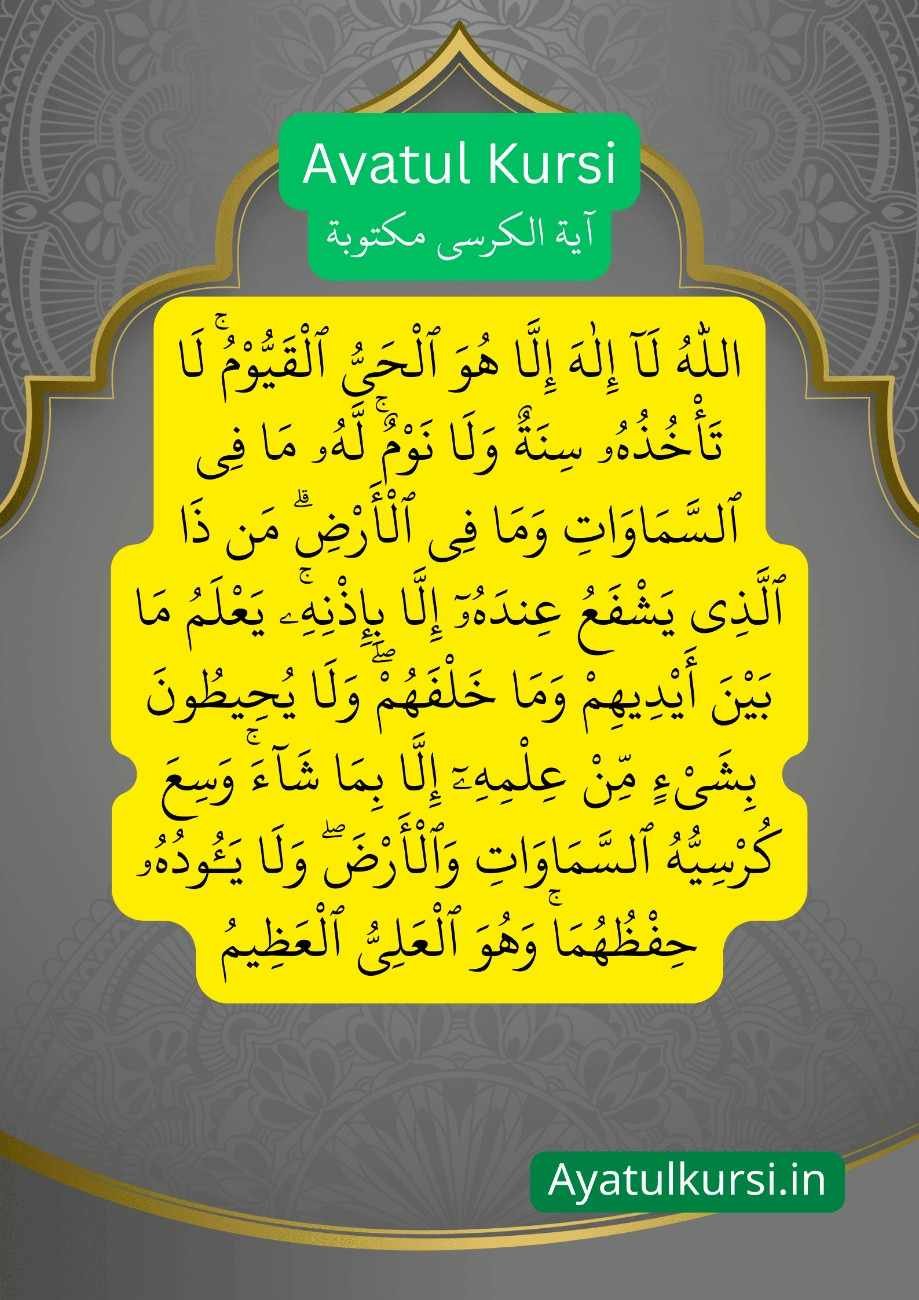
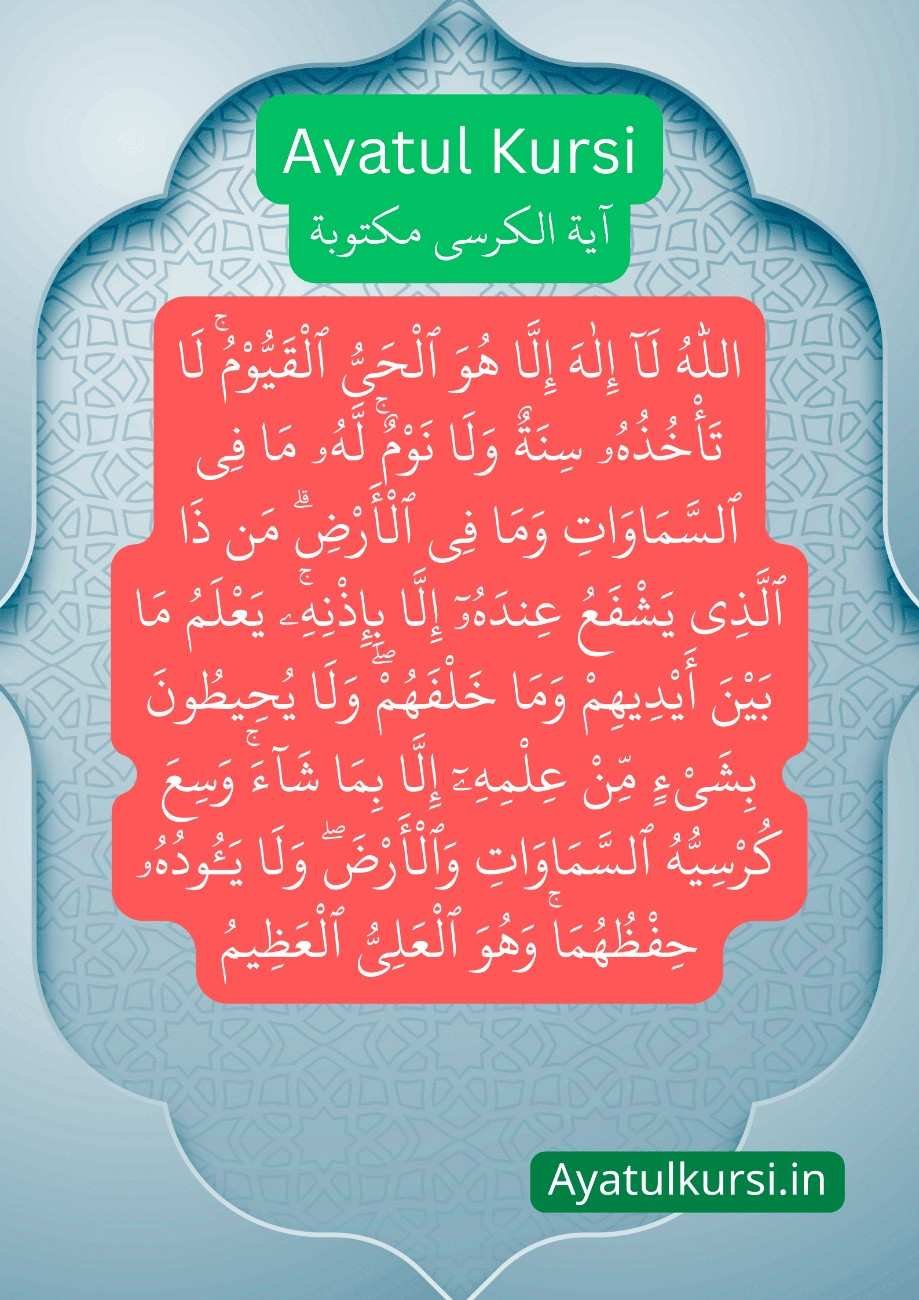
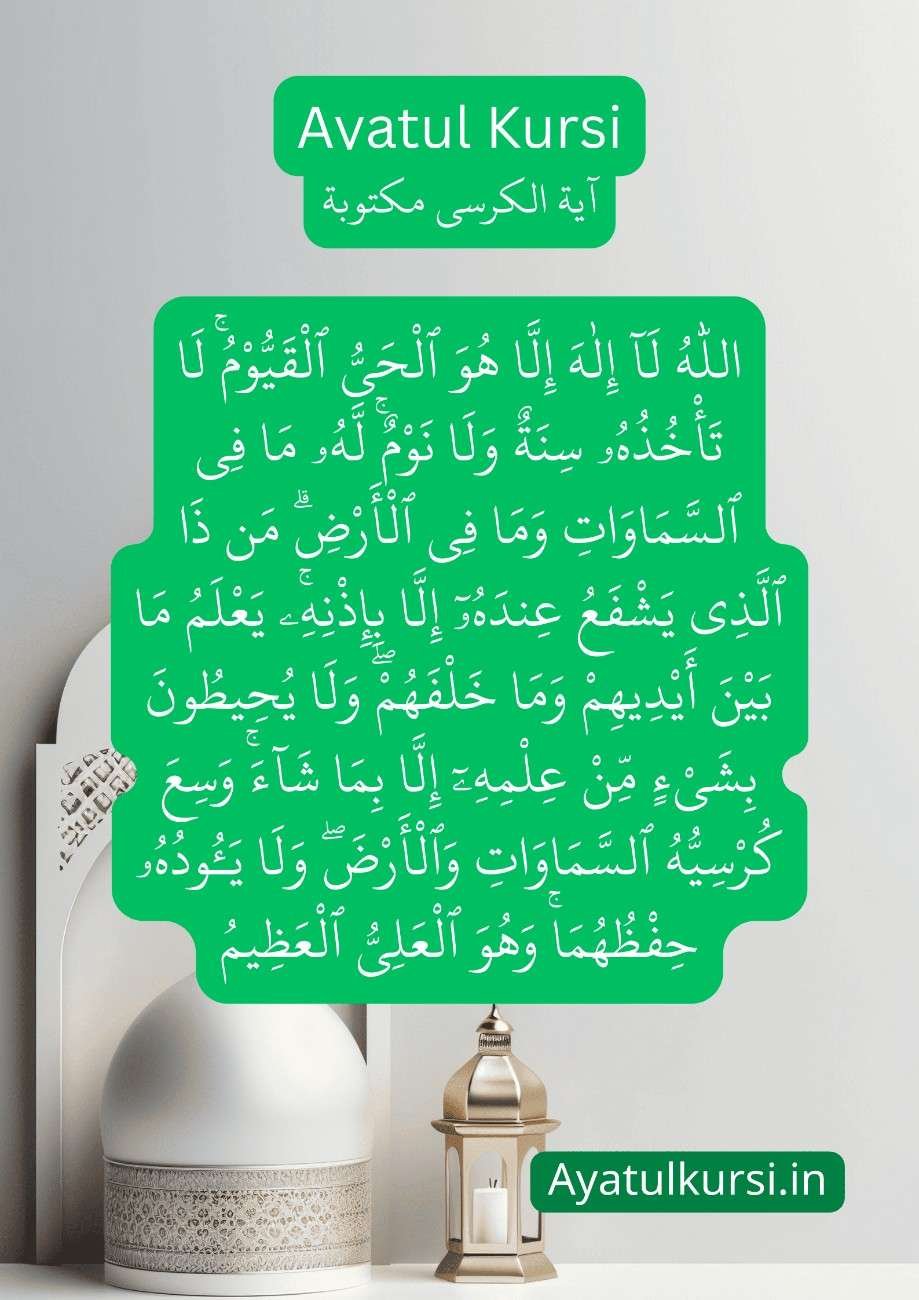
Listen to Ayatul Kursi Recitation
Quick Tools
About Ayatul Kursi
Ayatul Kursi (Qur’an 2:255): Arabic, meaning, audio, PDF & daily practice
Ayatul Kursi is verse 255 of Surah Al-Baqarah. It declares Allah’s perfect life, knowledge, and authority over the heavens and the earth. Because it gathers core beliefs in one place, teachers call it a summary of tawḥīd that strengthens faith and offers protection. Scholars and institutions also describe it as the greatest verse in the Qur’an based on authentic reports.
Why this verse stands out
A companion, Ubayy ibn Ka’b, answered that this is the greatest verse when the Prophet ﷺ asked him, and the Prophet confirmed his answer. The point is not only status; the verse names and describes Allah in a way that fills the heart with awe and trust. That’s why families keep this verse close for nightly and daily recitation. You can read the Arabic here in Uthmānī or Indo-Pak script, listen to clear audio, and save an A4 PDF or portrait image for home or class.
Arabic, translation, and transliteration
The Arabic text is presented with generous line spacing so diacritics are clear on every screen. Choose the script you read best; both show the same verse accurately. New readers can open Transliteration (Roman English) as a sound guide and then read the English or Hindi meaning to deepen understanding. This simple sequence—listen, read Arabic, then read the meaning—keeps attention on the Qur’an first and builds comprehension.
Daily practice: two proven times
Two practices are well-known and widely taught. First, recite the verse before sleep; the Prophet ﷺ confirmed a report that doing so leads to protection through the night. Second, recite it after each obligatory prayer; a narration states that nothing remains between a person and Paradise except death. These acts are short, repeatable, and easy to add to a daily routine.
Listen, slow down, and loop for accuracy
Press Play Recitation to hear the verse at a calm pace. If a line feels difficult, reduce speed to 0.75× and set an A↔B loop on that part; repeat a few times, then return to normal speed. Reading the Arabic while listening helps the tongue follow the sound and corrects small slips. With steady practice, most learners can read the full verse smoothly within a week.
Create a portrait image for phone or print
Use Generate Image to make a clean portrait image in sizes like 1080×1920 (phone) or A4 portrait. Pick a simple background from the gallery, keep Arabic near-black for contrast, and include the small source mark so others can find the page. Portrait images work well as lock screens, story posts, and classroom slides. If you prefer paper, use Make PDF (A4) for a one-page print without buttons or extra UI.
What the verse teaches (plain language summary)
Allah alone has the right to be worshipped; He is Ever-Living and Self-Sustaining. He never sleeps or tires, and everything in the heavens and the earth belongs to Him. No intercession happens except by His permission, and His knowledge surrounds all that is before and behind us while we only know what He allows. His Kursi extends over the heavens and the earth, and guarding both does not burden Him; He is The Most High, The Most Great.
A simple seven-day plan to memorize
Days 1–2: Listen twice daily and read the first third until it feels smooth.
Days 3–4: Loop the middle section with A↔B; then connect it to the first part.
Days 5–6: Work on the final lines; read the full verse morning and night.
Day 7: Recite from memory after each prayer and before sleep to lock it in.
Helpful notes for common situations
You may recite any Qur’anic verse inside the prayer after Sūrat al-Fātiḥah; many people read short sūrahs, and reading this verse is also valid. Fixed counts like “read it 70 times” do not rest on strong evidence, so focus on the established times above. Reciting from memory does not require ablution, but avoid touching a muṣḥaf without it, and follow your local scholar for personal fiqh details. For jewelry bearing Qur’anic text, best etiquette is to remove it before entering a restroom or keep it covered.
Why this page is trustworthy
Clear sourcing: Claims about status and practice are linked to recognized sources and hadith collections.
Transparency: When opinions differ on practice details, you are guided to ask a qualified scholar rather than rely on viral lists.
Utility: The page provides Arabic in two scripts, audio with looping, and export tools (portrait image, A4 PDF) that teachers, parents, and students actually use.
Respectful design: No clutter near the Qur’anic text, strong contrast, and fast loading.
Use this page to read, listen, save, and share Ayatul Kursi—and to build a calm daily habit around a verse the Prophet ﷺ praised as the greatest in the Qur’an.
Related Resources
Ayatul Kursi in Different Languages & Formats
Frequently Asked Questions
Why is Ayatul Kursi so “powerful”?
Because the Prophet ﷺ affirmed it is the greatest verse of the Qur’an. Its message declares Allah’s perfect life, knowledge, and authority over all creation, which is why it’s central to faith and protection.
Is Ayatul Kursi a dua?
It’s a Qur’anic verse (2:255), not a supplication. Reciting it is an act of dhikr and brings protection and virtue mentioned in authentic reports.
Can we recite Ayatul Kursi in salah (namaz)?
Yes. After al-Fātiḥah, it’s permissible to recite any Qur’anic verse; a complete sūrah is recommended but not required, so reciting Ayatul Kursi is valid.
What are the benefits of reading it 70 times?
Claims about fixed counts like “70 times” are not authentic. Stick to proven practices such as reciting it after obligatory prayers and before sleep.
Can I read Ayatul Kursi without wuḍū’?
Reciting from memory without wuḍū’ is allowed; avoid touching a muṣḥaf without wuḍū’.
Can I recite it while on my period?
Many jurists say a menstruating woman should not recite Qur’an, while some allow limited recitation (e.g., for necessity/teaching) and all agree she should not touch the muṣḥaf. If in doubt, follow your school and local scholar.
Can I wear an Ayatul Kursi bracelet in the bathroom?
Best practice is to remove items bearing Allah’s name or Qur’anic text before entering. If needed, keep it covered so the text isn’t exposed.
What’s the story often linked to this verse?
Abū Hurayrah رضي الله عنه caught a visitor who taught him to recite the verse before sleeping for protection; the Prophet ﷺ said, “He told you the truth though he is a liar,” clarifying the visitor was Satan. This authentic narration underpins the bedtime practice.
What “miracles” are established for Ayatul Kursi?
Stick to authentic virtues: recite it before sleep for protection and after each obligatory prayer as a path to Paradise. Avoid unverified lists of dramatic claims.
How many angels protect you when you recite it?
Authentic narration states a guardian is appointed and Satan cannot approach until morning; it does not specify a number. Numbers like “70,000” are not proven.
Which verse is Ayatul Kursi?
It is Surah al-Baqarah, verse 255.